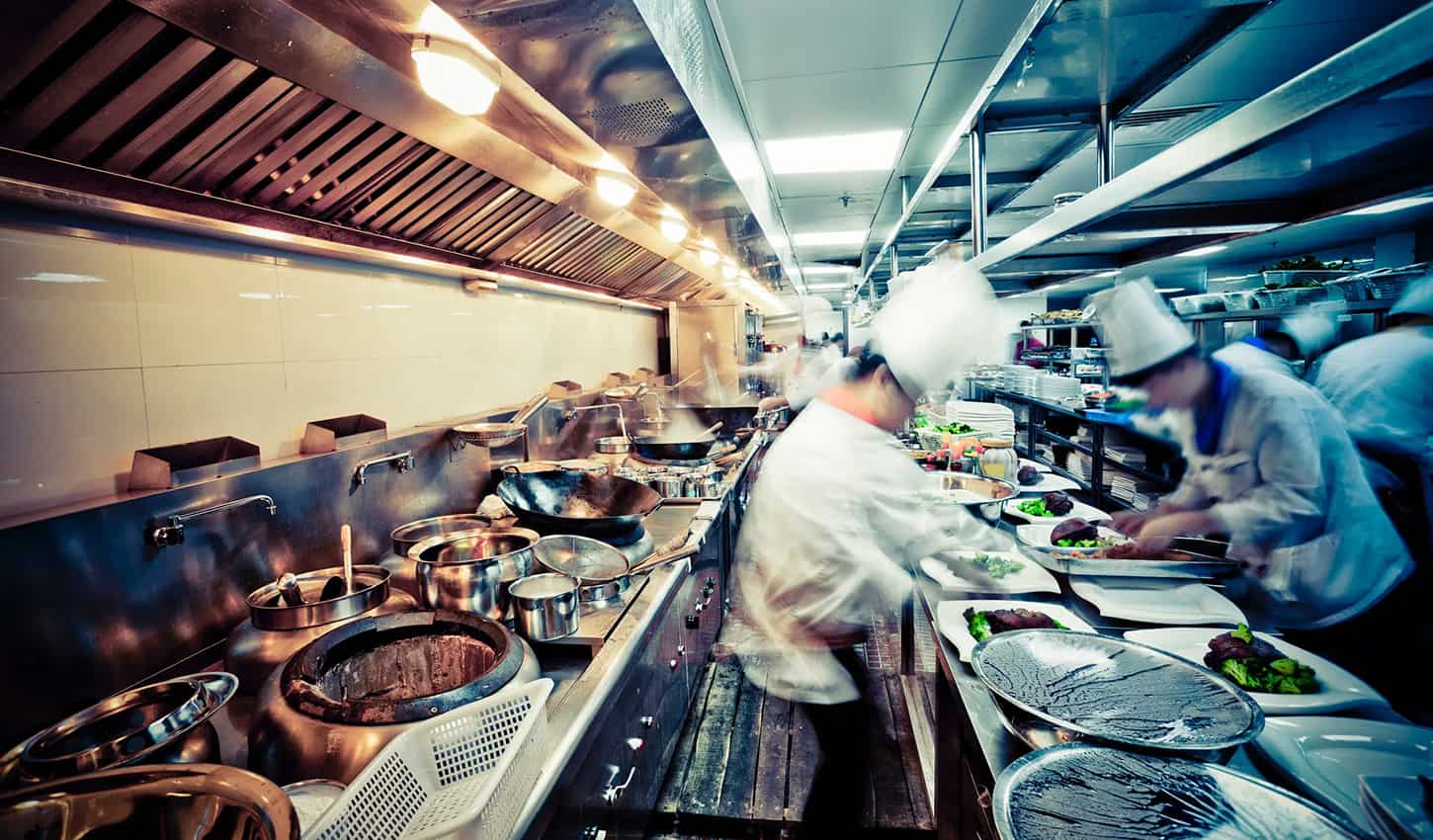
Commercial kitchen ventilation systems play a critical role in maintaining a safe, compliant and efficient cooking environment. However, even relatively small amounts of grease accumulation can have a significant impact on system performance, operating costs and fire safety.
For facilities managers, operations managers, restaurant groups and commercial kitchen owners, balancing compliance, energy efficiency and maintenance budgets has never been more important. Rising utility costs, increasing regulatory expectations and greater scrutiny from insurers all place greater emphasis on maintaining commercial kitchen ventilation systems correctly.
While grease build-up is widely recognised as a fire risk, its financial impact often begins long before it becomes a visible problem. Increased fan energy consumption, restricted airflow, blocked filters and premature equipment failures all add unnecessary costs to day-to-day operations.
A proactive programme of kitchen ventilation maintenance, combining TR19 Compliance, preventative filtration technologies and planned equipment servicing, helps businesses reduce lifetime maintenance costs while maintaining fire risk compliance, grease management and effective odour control.
Grease Build-Up Creates More Than a Fire Risk
Most operators understand that grease deposits inside ventilation ductwork present a fire risk, but fewer appreciate how little grease is needed before corrective action becomes necessary.
Under TR19® Grease guidance, cleaning is typically recommended when grease deposits reach an average thickness of 200 microns across the ventilation system, or 500 microns in localised areas. That’s just 0.2 to 0.5 millimetres of grease—barely visible in many locations—yet sufficient to increase fire risk and begin affecting ventilation performance.
Routine TR19 grease inspections are therefore an essential part of responsible ventilation management. They provide objective evidence of grease accumulation, helping operators determine when cleaning is actually required while demonstrating due diligence for insurers, landlords and regulatory authorities.
However, grease affects far more than fire safety alone.
Even relatively thin grease deposits can:
- Increase fan energy consumption as system resistance rises.
- Restrict airflow throughout the ventilation system.
- Block panel filters and reduce the effectiveness of activated carbon filters.
- Reduce kitchen comfort by removing heat and cooking fumes less efficiently.
- Increase wear on mechanical equipment.
- Lead to more frequent reactive maintenance and equipment breakdowns.
The result is a gradual increase in operating costs that often goes unnoticed until equipment performance deteriorates or a TR19 inspection identifies excessive grease accumulation.
The Hidden Cost of Neglected Ventilation Maintenance
Grease rarely causes sudden problems overnight. Instead, performance gradually declines across the entire commercial kitchen ventilation system.
As filters become loaded with grease and airflow reduces, extract fans must work harder to maintain design air volumes. Higher resistance means increased electrical power consumption, placing additional strain on motors, bearings and drive systems.
At the same time, blocked filters—including panel, bag, HEPA and activated carbon filters—restrict airflow and reduce overall system efficiency. As ventilation performance declines, heat, cooking fumes and smoke accumulate within the kitchen, creating a less comfortable working environment, increasing exposure to airborne contaminants and potentially affecting the health, safety and wellbeing of both kitchen staff and customers.
If preventative maintenance is neglected, the consequences often include:
- Increased energy costs.
- Reduced ventilation performance.
- Equipment breakdowns and emergency repairs.
- Reduced lifespan of ventilation assets.
- Increased fire risk from grease accumulation.
- Failure to demonstrate TR19 Compliance.
- Insurance and landlord compliance concerns.
- Business disruption during emergency maintenance.
- Reputational damage arising from persistent cooking odours.
In many cases, these hidden operational costs exceed the investment required for a structured preventative maintenance programme.
A Preventative Approach to Grease Management
At Plasma Clean Air, our philosophy is straightforward: rather than simply cleaning grease after it has accumulated, we help customers prevent unnecessary grease build-up throughout the ventilation system.
While we provide specialist commercial kitchen extract cleaning and Extract Duct Cleaning in accordance with TR19 Compliance, our objective is to reduce the frequency with which duct cleaning is required.
This is achieved by combining advanced grease management technologies with planned preventative maintenance.
A comprehensive canopy-to-extract discharge programme for commercial kitchen grease management may include:
- Ecofleece Grease Filters to capture grease at source before it enters the extract system.
- Electro-clean ESP maintenance to maintain efficient grease and smoke removal.
- Techni-clean UV system servicing for in-duct UV technologies that help break down airborne grease before it accumulates within ductwork.
- Xtract Ozone Injection and Carb-clean activated carbon maintenance to maintain effective odour control.
- Canopy and Extract Cleaning to maintain hygiene and system performance and TR19 compliance inspections to keep grease micron levels within recommended thresholds.
- Fan cleaning to optimise airflow and minimise energy consumption.
- Inspection and servicing of Canopy Fire Suppression Systems to help ensure automatic protection systems remain operational.
- Comprehensive compliance reporting supporting insurance, landlord and fire safety requirements.
Importantly, equipment such as electrostatic precipitators and UV ozone systems should not be viewed as additional maintenance burdens. They are preventative technologies designed to reduce grease entering the ventilation system, improve airflow and extend the period between TR19 Grease duct cleans.
Like any engineered solution, they require routine servicing to continue operating at peak efficiency. Maintaining these systems ensures they continue delivering the energy savings, grease reduction and operational benefits they were installed to provide.
By integrating inspections, filtration technologies, equipment servicing and cleaning into one coordinated maintenance programme, organisations benefit from a simpler, more efficient approach delivered by a single specialist provider.
The Benefits of a Complete Ventilation Maintenance Strategy
Treating the ventilation system as a single integrated asset delivers significant operational advantages.
A planned preventative maintenance programme helps organisations achieve:
- Lower fan energy consumption through cleaner, more efficient airflow.
- Reduced lifetime maintenance costs by preventing grease accumulation.
- Fewer emergency breakdowns and reactive maintenance visits.
- Improved system reliability and extended equipment life.
- Simplified TR19 Compliance supported by routine inspections and documented reporting.
- Greater confidence in meeting insurance and landlord compliance requirements.
- Improved Odour Control performance.
- Enhanced Fire Risk Compliance across the complete ventilation system.
- Reduced contractor management through one specialist provider responsible for every stage of the ventilation system.
Rather than reacting to problems after they occur, businesses can make informed maintenance decisions based on the actual condition of their ventilation assets, improving budgeting, reducing disruption and maintaining consistent system performance.
A Smarter Approach to Kitchen Ventilation Maintenance
The most cost-effective commercial kitchen ventilation system is not one that requires frequent duct cleaning—it’s one that stays cleaner for longer.
By combining routine TR19 grease inspections, advanced filtration technologies, planned equipment servicing and specialist cleaning only when inspections indicate it is necessary, Plasma Clean Air helps customers reduce energy consumption, minimise fire risk, improve system performance and lower the total cost of ventilation ownership.
If you’re looking to improve Grease Management, strengthen TR19 Compliance and develop a planned maintenance programme tailored to your operation, our specialists can provide ventilation assessments, compliance surveys and practical advice covering every stage of your system.
Get in touch with one of our experts today.
One Partner. Complete Ventilation Maintenance. From Canopy to Extract Discharge.
Get In Touch
Please leave your information and our team will contact you shortly!