Commercial kitchens operate in a demanding environment where safety, compliance and operational efficiency must be balanced every day. From busy restaurants and hotel kitchens to large-scale catering facilities, ventilation systems play a critical role in maintaining safe and effective kitchen operations.
However, many organisations focus maintenance efforts on only part of the system, overlooking key components that sit beyond the canopy. As compliance requirements continue to tighten and operational pressures increase, a fragmented approach to kitchen ventilation maintenance can create significant risks.
Understanding the complete ventilation journey—from canopy to extract discharge—is essential for effective grease management, fire risk compliance, odour control and long-term system performance.
This article explores why a comprehensive ventilation maintenance strategy matters and how a single-source approach can help commercial kitchen operators reduce risk, improve efficiency and simplify compliance.
The Hidden Risks of Incomplete Ventilation Maintenance
A commercial kitchen ventilation system is only as effective as its least-maintained component. While visible areas such as canopies often receive regular attention, critical sections of the system can be overlooked.
Grease-laden air travels through the entire extraction pathway, including:
- Canopies
- Extract ductwork
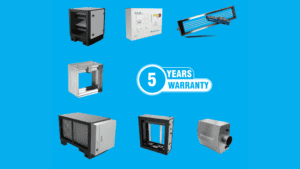
- Filtration equipment such as Electrostatic precipitators (ESPs), UV ozone systems and activated carbon filters
- Extraction fan
- Ann then out of the extraction discharge point
When maintenance gaps occur, grease accumulation can build throughout the system, increasing fire risk and compromising performance.
One of the most significant concerns is compliance with TR19® Grease standards. Industry guidance recognises the importance of regular commercial kitchen extract leaning and extract duct cleaning to minimise grease deposits and reduce fire hazards. Failure to maintain ductwork appropriately can result in systems operating outside recommended standards, potentially affecting both safety and insurance requirements. This is especially the case where the ductwork is inaccessible for TR19 Grease cleaning.
Odour complaints present another common challenge. In densely populated urban areas, poorly maintained ventilation systems can generate nuisance odours that affect neighbouring businesses, residents and customers. In some cases, this can lead to enforcement action or restrictions on business operations.
Operational costs can also rise significantly when grease deposits restrict airflow. Fans must work harder to achieve required extraction rates, increasing energy consumption and accelerating equipment wear.
For facilities managers and operations teams, these challenges are often compounded by the need to coordinate multiple contractors across different service disciplines, creating additional administrative burden and increasing the risk of maintenance being missed altogether.
The Operational Impact of Neglected Ventilation Systems
When Commercial Kitchen Ventilation systems are not maintained as a complete system, the consequences extend far beyond compliance concerns.
Reduced airflow is often one of the first signs of deterioration. As grease accumulates within ductwork and associated filtration equipment, extraction efficiency declines. This can lead to excessive heat build-up, poor kitchen conditions and reduced comfort for kitchen staff.
Over time, restricted airflow places additional strain on fans and associated equipment. Components may fail prematurely, resulting in costly repairs, unplanned downtime and disruption to kitchen operations.
Energy efficiency is another key consideration. Systems operating under increased resistance require more power to maintain performance levels. Across multi-site operations or large facilities, these inefficiencies can have a significant impact on operating costs.
The consequences of inadequate maintenance may also include:
- Increased fire risk from grease accumulation
- Failure to achieve TR19 Compliance standards
- Insurance compliance concerns
- Equipment breakdowns and emergency repairs
- Reduced effectiveness of ESP and UV Ozone systems
- Persistent odour complaints
- Potential enforcement action from regulatory authorities
- Business disruption and operational downtime
For restaurant groups, contract caterers and property managers, reputational damage can be equally costly. Persistent odour issues or highly visible maintenance failures can negatively affect customer experience and stakeholder confidence.
Ultimately, ventilation systems should be viewed as critical assets requiring ongoing Planned Preventative Maintenance rather than reactive intervention after problems occur.
A Complete Canopy-to-Discharge Maintenance Strategy
Effective Kitchen Ventilation Maintenance requires a holistic approach that considers every stage of the extraction process.
Rather than treating individual components as separate systems, a comprehensive programme should address the complete ventilation pathway from canopy to extract discharge.
A fully integrated maintenance programme may include:
Canopy Cleaning
Regular canopy cleaning removes grease deposits from the first point of capture, helping maintain hygiene standards and supporting efficient extraction performance.
The use of Ecofleece Grease filters in the canopy will reduce grease entering the extraction system by 98%. This which massively reduces canopy cleaning and TR19 Grease duct cleaning as well as maintenance of filtration equipment, reducing ongoing maintenance costs straight away.
Commercial Kitchen Extract Cleaning and Ductwork Maintenance
Professional Extract Duct Cleaning removes accumulated grease throughout the extraction pathway and supports ongoing TR19 Compliance requirements.
Fan Cleaning and Maintenance
Fans are critical to maintaining airflow performance. Routine cleaning and maintenance helps improve reliability, reduce energy consumption and extend equipment lifespan.
ESP Maintenance
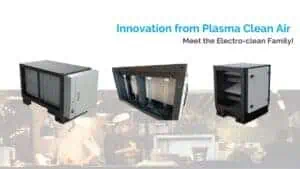
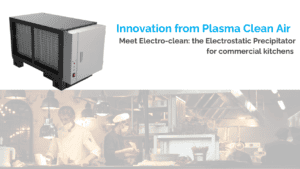
Electrostatic precipitators play an important role in grease and particulate removal. Regular servicing ensures continued effectiveness and helps support downstream equipment performance.
UVOzone System Maintenance
UV Ozone systems contribute to grease management and odour reduction. Maintaining lamps, controls and associated equipment is essential to achieving optimal performance.
Odour Control Solutions
Effective odour control requires ongoing monitoring and maintenance of filtration and treatment systems to minimise nuisance complaints and support environmental compliance.
Kitchen Canopy Fire Suppression
Kitchen canopy fire suppression systems protect against grease fires, supporting fire safety, compliance, asset protection and insurance requirements.
Compliance Reporting
Comprehensive reporting provides documented evidence of maintenance activities, supporting TR19 Compliance, insurance compliance and audit requirements.
By consolidating these services under a single specialist provider, organisations can benefit from greater consistency, improved visibility and more effective maintenance planning.
Rather than coordinating multiple contractors, facilities teams can implement a structured Planned Preventative Maintenance programme covering every aspect of Commercial Kitchen Ventilation.
The Benefits of a Single Supplier Approach
Managing ventilation maintenance through one specialist provider offers significant operational and commercial advantages.
Key benefits include:
- Reduced administrative burden through simplified contractor management
- Improved maintenance scheduling and coordination
- Greater consistency in service delivery and reporting
- Reduced compliance risk through comprehensive system coverage
- Enhanced Fire Risk Compliance and safety performance
- Improved Grease Management throughout the extraction system
- Better energy efficiency and lower operating costs
- Reduced likelihood of unexpected breakdowns
- Improved odour control and environmental performance
- Clear documentation to support insurance and regulatory requirements
Most importantly, a complete maintenance strategy helps ensure that all components work together effectively, improving overall system performance while reducing long-term ownership costs.
For organisations operating multiple sites, the benefits can be even greater, providing a standardised approach to maintenance, compliance management and asset protection across an entire portfolio.
Supporting Compliance, Safety and Performance from Canopy to Discharge
Commercial kitchen ventilation systems are complex assets that require more than occasional cleaning or reactive repairs. Effective maintenance means addressing every component, from the canopy through to the extract discharge point.
A comprehensive canopy-to-discharge approach helps improve system performance, support TR19 Compliance, strengthen Fire Risk Compliance and reduce operational risk.
If you would like to assess the condition of your ventilation system, request a compliance survey, arrange a quotation or discuss a Planned Preventative Maintenance programme, Plasma Clean Air can help.
With services covering canopy cleaning, extract duct cleaning, fan maintenance, ESP servicing, UV Ozone maintenance, odour control solutions and compliance reporting, Plasma Clean Air provides complete ventilation maintenance support from canopy to extract discharge.
One Partner. Complete Ventilation Maintenance. From Canopy to Extract Discharge.
Call us now and find out how we can help save you money on your compliance.
Get In Touch
Please leave your information and our team will contact you shortly!