Commercial kitchens operate under constant pressure. From maintaining food quality and service standards to managing staffing challenges and rising operating costs, facilities managers and kitchen operators have a growing list of responsibilities to balance.
At the same time, compliance requirements surrounding fire safety, insurance obligations and building maintenance continue to increase. Yet one critical area is often overlooked until a problem occurs: kitchen ventilation maintenance.
A poorly maintained ventilation system can create significant risks for businesses, including fire hazards, compliance failures, equipment breakdowns and costly operational disruption. Understanding these risks—and implementing a proactive maintenance strategy—can help organisations protect their people, assets and reputation.
In this article, we explore why commercial kitchen ventilation maintenance is so important and how a comprehensive, whole-system approach can help businesses achieve greater safety, efficiency and compliance.
The Hidden Risks of Poor Ventilation Maintenance
Commercial kitchen ventilation systems work hard every day to remove heat, grease, smoke and cooking odours from the kitchen environment.
Over time, however, grease deposits accumulate throughout the system, particularly within canopies, extract ductwork, fans and filtration equipment.
This grease accumulation presents one of the most significant fire risks within a commercial kitchen. When grease deposits ignite, fire can spread rapidly through ductwork, potentially affecting multiple areas of a building.
This is why TR19 Compliance standards place significant emphasis on regular inspection and cleaning of kitchen extract systems.
The risks extend beyond fire safety alone.
Poor grease management can result in:
- Increased fire risk from combustible grease deposits
- Failure to meet TR19® Grease requirements
- Risk of invalidating insurance
- Reduced airflow and ventilation performance
- Increased energy consumption
- Persistent odour issues affecting neighbouring properties
- Accelerated wear on critical equipment
Insurers are increasingly demanding evidence that kitchen ventilation systems are being properly maintained. In many cases, businesses are expected to provide documented proof of cleaning and inspection activities as part of their fire risk management procedures.
Without adequate maintenance records and compliance reporting, operators may face challenges when making insurance claims following a fire or other incident.
For facilities managers, property managers and restaurant groups, maintaining compliance across multiple sites can quickly become a complex and resource-intensive task.
The Operational Impact of Neglected Ventilation Systems
The consequences of neglected commercial kitchen ventilation systems often develop gradually before becoming significant operational problems.
As grease accumulates within ductwork and equipment, airflow efficiency begins to decline. Extraction systems must work harder to achieve the same level of performance, placing additional strain on fans, motors and filtration equipment.
This can lead to:
- Reduced extraction effectiveness
- Increased kitchen temperatures
- Poor indoor air quality
- Higher energy costs
- Premature equipment failure
- More frequent maintenance callouts
When critical components such as extract fans, Electrostatic Precipitators (ESPs) or UV-C systems are not maintained correctly, performance can deteriorate significantly.
Odour management is another common challenge. In densely populated urban environments, inadequate odour control can lead to complaints from nearby residents, neighbouring businesses and local authorities. Reputational damage and strained stakeholder relationships can quickly follow.
From a compliance perspective, neglected systems may also create concerns during inspections or audits. Failure to demonstrate appropriate maintenance procedures could potentially result in enforcement action, corrective works or increased scrutiny from insurers and regulatory bodies.
Ultimately, the financial impact can be substantial. Unplanned repairs, emergency cleaning, operational downtime and business disruption often cost significantly more than implementing a planned preventative maintenance programme.
A Complete Canopy-to-Discharge Maintenance Strategy
Effective kitchen ventilation maintenance requires more than occasional cleaning of visible surfaces. A truly compliant and efficient ventilation system should be maintained as a complete, integrated asset—from the kitchen canopy through to the final extract discharge point.
At Plasma Clean Air, we advocate a comprehensive maintenance approach that addresses every critical component within the system.
This may include:
Canopy Cleaning
Regular cleaning of kitchen canopies helps prevent grease build-up at the point of extraction while maintaining hygiene standards and supporting effective airflow.
Commercial Kitchen Extract Cleaning
Professional commercial kitchen extract cleaning removes grease deposits throughout the system, including inaccessible ductwork sections where fire risks can often develop unnoticed. This supports TR19 Compliance, reduces fire risk and helps maintain efficient system performance.
Fan Cleaning and Maintenance
Extract fans play a critical role in airflow performance. Regular cleaning, inspection and maintenance which is generally carried out during TR19 Grease cleaning helps improve reliability, reduce energy consumption and minimise the risk of breakdowns.
ESP Maintenance
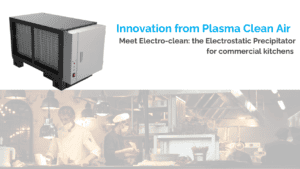
Electrostatic Precipitators are highly effective at removing grease and particulate matter from kitchen exhaust air. ESPs keep the downstream ductwork grease-free, minimising TR19 Grease cleaning which is particularly important where kitchen extraction ductwork is not accessible. Regular servicing to clean away the grease they have collected ensures they continue operating efficiently and effectively.
UV Ozone System Maintenance
UV Ozone technology helps break down grease particles and reduce odours within ventilation systems. Ongoing maintenance is essential to ensure optimal performance and maximise system effectiveness.
Canopy Fire Suppression
Kitchen canopy fire suppression systems play a vital role in protecting commercial kitchens from rapidly developing grease fires. Every professional kitchen knows – or should know – that regular inspection, testing and maintenance are essential to ensure automatic detection and suppression systems operate effectively when needed, helping businesses maintain fire risk compliance, protect assets and satisfy insurance requirements.
Odour Control Solutions and Energy Performance
It’s not just about grease management and fire risk reduction, the ongoing Preventive Planned Maintenance of the kitchen ventilation system is key for odour control which helps businesses minimise complaints and improve environmental performance, particularly in high-density urban locations.
By consolidating these services under a single specialist provider, businesses can simplify maintenance management while ensuring consistent standards across the entire ventilation system.
The Business Benefits of a Single-Source Maintenance Partner
Managing multiple contractors for different elements of a ventilation system can create unnecessary complexity, administrative burden and compliance gaps.
A comprehensive planned preventative maintenance programme offers several practical advantages:
- Reduced fire risk through proactive grease management
- Improved TR19 Compliance and insurance compliance
- Enhanced ventilation performance and airflow efficiency
- Lower energy consumption and operating costs
- Reduced likelihood of equipment failures
- Simplified contractor management
- Consistent maintenance standards across all sites
- Improved documentation and compliance reporting
- Better odour control and environmental performance
For multi-site operators, restaurant groups and facilities teams, consolidating maintenance under one provider can also deliver significant time savings and improved visibility of system condition and compliance status.
Most importantly, a proactive approach helps organisations move away from expensive reactive maintenance and towards long-term asset protection and operational resilience.
Protect Your Business Before Problems Develop
If you are unsure whether your ventilation system meets current standards, now is the ideal time to review your maintenance strategy.
Whether you require a ventilation assessment, TR19® compliance survey, extract cleaning quotation or a fully managed planned preventative maintenance programme, a proactive approach can help reduce risk and improve operational performance.
Plasma Clean Air provides complete kitchen ventilation maintenance services from canopy to extract discharge—helping businesses improve fire safety, maintain compliance, optimise system performance and simplify ventilation management through a single trusted partner.
Get In Touch
Please leave your information and our team will contact you shortly!