Fire stations operate around the clock, and the facilities that support the crews inside them need to be consistently well managed. Station kitchens feeding shift workers, appliance bays with vehicle movements at all hours and communal living areas where air quality directly affects the health and well-being of operational staff all present ventilation challenges that require a considered approach.Â
At Plasma Clean Air, we provide kitchen ventilation filtration equipment, indoor air quality solutions and TR19 Grease ventilation maintenance services tailored to the demands of fire station environments.
Firefighters are exposed to hazardous contaminants on the job. Managing air quality within the station itself is one area where fire and rescue services can take direct, practical steps to reduce the cumulative burden on crew health.
The risks are well established. Diesel exhaust fumes in appliance bays contain a mix of particulate matter, nitrogen oxides and carcinogenic compounds that, with repeated exposure in an enclosed space, are linked to increased rates of respiratory illness and certain cancers. The Health and Safety Executive recognises diesel engine exhaust emissions as a known occupational carcinogen, and fire and rescue services have a duty of care to demonstrate that exposure is being actively managed and reduced.
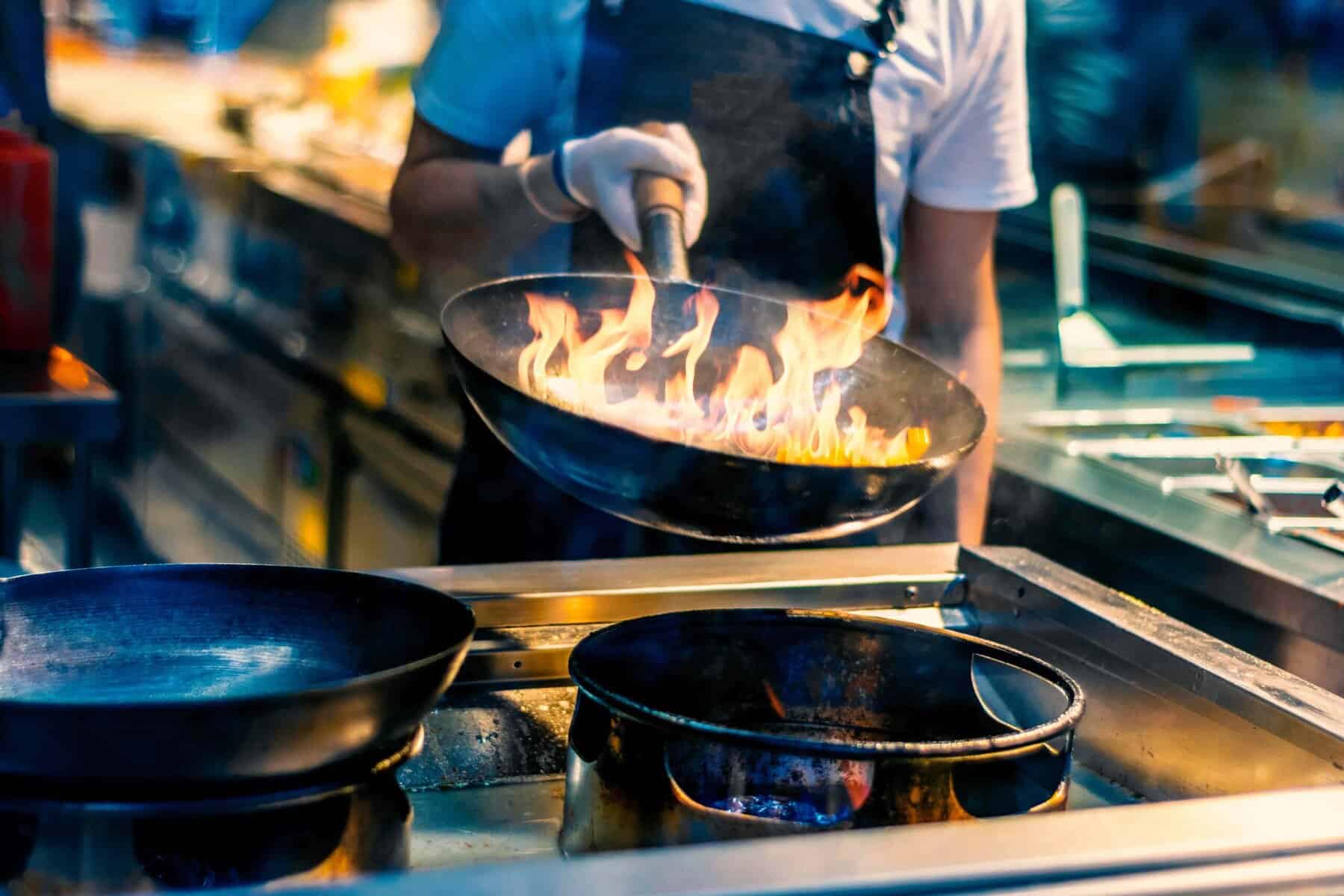
Inside the station, cooking activity in shift kitchens adds grease aerosols, combustion byproducts and volatile organic compounds to the air. In buildings where living, sleeping and welfare areas sit adjacent to kitchen and appliance facilities, contaminants generated in one zone can easily migrate into others if ventilation is not properly managed.
For crews working 24-hour shifts, the station is effectively their home for extended periods. The quality of the air they breathe during rest, sleep and time between calls has a direct bearing on recovery, concentration and long-term health. Clean air in a fire station is not a facilities management afterthought; it is a material factor in crew welfare and operational readiness.
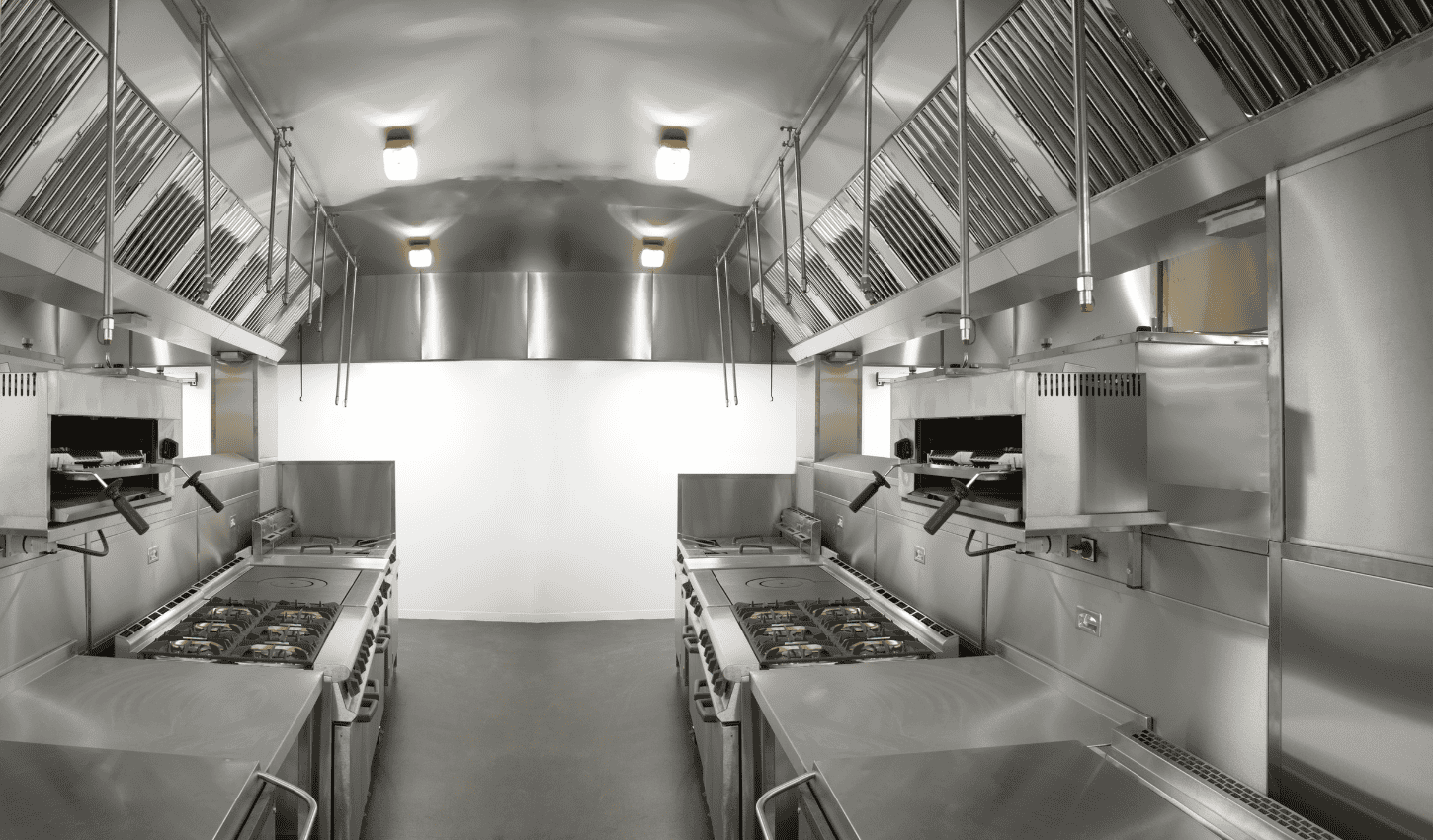
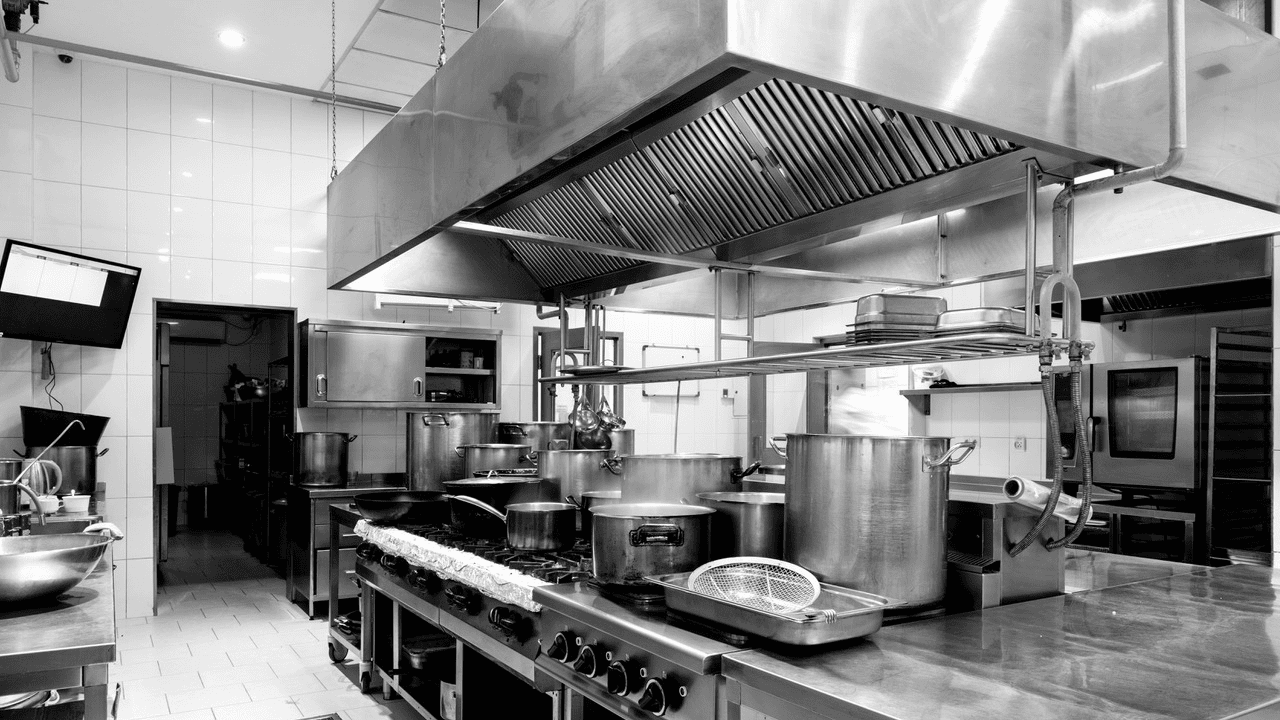
We provide tailored kitchen ventilation solutions designed to meet the demands of fire station catering facilities, keeping crews safe, living areas free from cooking contaminants, and operations compliant. Our systems are built to handle the sustained cooking activity of a shift kitchen running around the clock.
Capturing grease at the source using Ecofleece Canopy Grease Filters is the quickest and simplest way to reduce fire risk and save money on TR19 Grease duct cleans. Ecofleece captures 98% of grease at the canopy, protecting ductwork and keeping station kitchen extraction systems clean between maintenance visits.
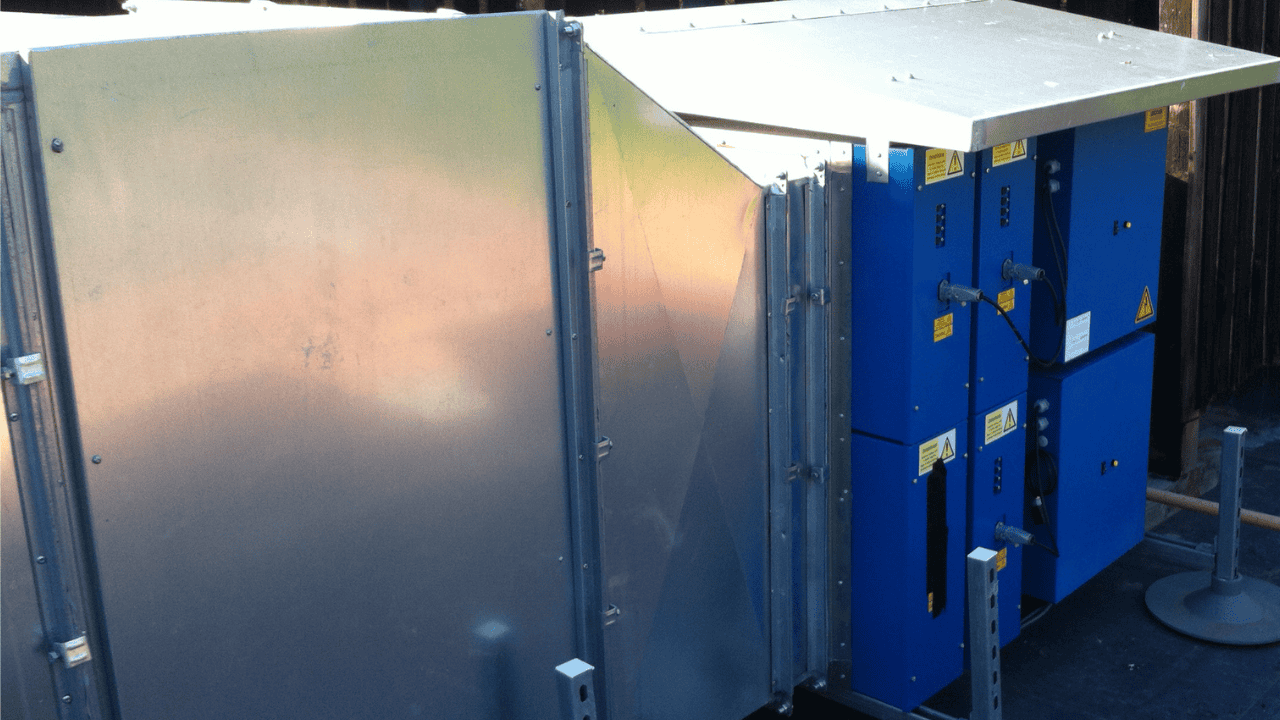
If neighbouring properties are complaining about cooking smells, advanced filtration systems including the Electro-clean ESP for grease and smoke control, ozone-based units such as the Xtract v.3. Techni-clean UV is used for grease and odour control and Carb-clean activated carbon is used for odour and ozone control.Â
There are lots of options available and we can help you remove cooking smells before they are extracted into the environment. Speak to one of our team to find out more.
Remove odours and fine airborne particles to improve air quality throughout the kitchen and the wider station environment.
Eco-air DCV systems adjust airflow automatically based on kitchen activity, improving energy efficiency while maintaining a safe and hygienic environment.
All our systems are aligned with EMAQ+ guidance on kitchen extract odour control and the DW172 specification, which sets the recognised benchmark for commercial kitchen ventilation in the UK.
Fire stations present a more complex air quality picture than most commercial facilities. Staff live, sleep, and recover on site between calls, meaning the air inside the building has a direct and sustained impact on crew health in a way that goes beyond that of a standard workplace environment.
Diesel exhaust fumes generated by heavy vehicles starting and running in an enclosed space contain particulate matter, nitrogen oxides and carcinogenic compounds. Unlike kitchen contaminants, which are largely contained to one area and extracted, vehicle exhaust can spread through a station building quickly if ventilation is not actively managed.
We provide air treatment solutions that can be integrated into existing ventilation infrastructure or deployed as standalone units in specific areas of the building. In kitchens and welfare areas, our filtration solutions prevent cooking contaminants from migrating into rest and sleeping areas, protecting the people who rely on those spaces for recovery between shifts.
Planned ventilation maintenance is as important in a fire station as it is in any commercial catering environment. Station kitchens running across multiple shifts generate grease loading in ductwork that builds quickly, and without a regular TR19-compliant maintenance programme, compliance gaps develop that can affect insurance cover and create issues with local authority inspections.
Our TR19-compliant maintenance service covers the full extract system from canopy to discharge point, including canopy and filter cleaning, ductwork inspection and grease removal, odour control equipment servicing and ESP servicing where applicable. We also carry out canopy fire suppression services and TR19 Air servicing, and can install access doors where existing systems lack adequate cleaning points.
When supply and ongoing maintenance sit with the same contractor, accountability is clear from day one. We specify, supply and service systems suited to your site and maintain them on a planned basis going forward, with full knowledge of what is installed and what the compliance requirements are for your facility. There are no gaps in service history, no conflicting documentation and no ambiguity about who is responsible when something needs attention.
Whether you are specifying ventilation for a new station build, reviewing compliance on an existing site or looking to consolidate supply and maintenance with a single contractor, we can help.Â
Get in touch with our team to discuss your requirements or arrange a site survey.